With or For?

It’s my party and I’ll cry if I want to…

We have celebrations all the time. Birthdays, special events, parenthood. But when do we learn to distinguish between celebrating with someone and celebrating for someone?

To illustrate with an example at an early age, let’s take a birthday party. The poster child celebratory event! If all the children in attendance bring gifts, they are celebrating for the child. If all the children split a birthday cake, they are celebrating with the child. And when they take home a loot bag they are again celebrating a special event with the youngster.

From these seemingly innocuous early occasions, we teach children the sensation of being happy for someone and showing your joy by bestowing a thoughtful gift on them…hopefully without the expectation of something in return although it is well known that birthday parties are expected to provide attendees with compensation in the form of fun and goodies.

And so from that early age we teach our children that they are entitled to a measure of someone else’s joy. That they can expect a share of someone else’s bounty. We teach them not to celebrate FOR someone, we train them to expect to celebrate WITH others.

Expand that to participation ribbons and various other ways to ensure children ‘don’t feel left out.’ The thought is noble, but the message is that we don’t celebrate the successes of others if it hurts our feelings to do so. We train our children instead to expect the winners to tone down or divide their glory because the non-winners are unable to celebrate FOR their win thus must be given the rewards too, celebrating WITH the winner.

Take this into adulthood and you have envy and entitlement. Children who attended birthday parties for the loot and the entertainment rather than the excitement of watching a friend open the gift they carefully selected turn into adults who manipulate others in order to gain a share of the target’s time, energy, resources, or material goods. Children who got participation ribbons watch in petulant resentment as the first place ribbon of a promotion goes to the winner but there is no distribution of the pay raise amongst the other participating applicants.

Sharing our joys is a natural part of our programming and celebrating with others gives us a sense of connection and validation.

But how much of the meaning in celebrating for someone gets lost in the emphasis of putting on a real show for the guests compared to reinforcing the connections between those guests and the celebrant?

We could claim that we are showing compassion toward the non-celebrants when we give them loot bags and pony rides and bouncy castles. But in reality, we miss the chance for them to feel compassion for the birthday child! That sense of connection, or sharing emotions, goes both ways; compassion isn’t just about understanding when someone is struggling and passively giving them space in your psyche to ease their suffering. Compassion is also about sharing the exquisite pleasures of joyful success and admiration.

When someone wins a race, a graceful loser doesn’t need a participation ribbon, they need to have compassionate connection with the winner to feel respect for a good game. This concept gets often lip service in sports and disservice in the other aspects of our lives, where losing isn’t learning, it’s burning. The winning team ideally celebrates with each other while the losing team celebrates for the winners.

Celebrating for someone allows them to own their special occasion and feel the elation of being celebrated. Celebrating with someone divides those feelings amongst all participants and knowing which is appropriate is a matter of maturity and discernment. Yet, subconsciously the birthday child often feels the unfairness of how their party winds up being about the guests, not about them.
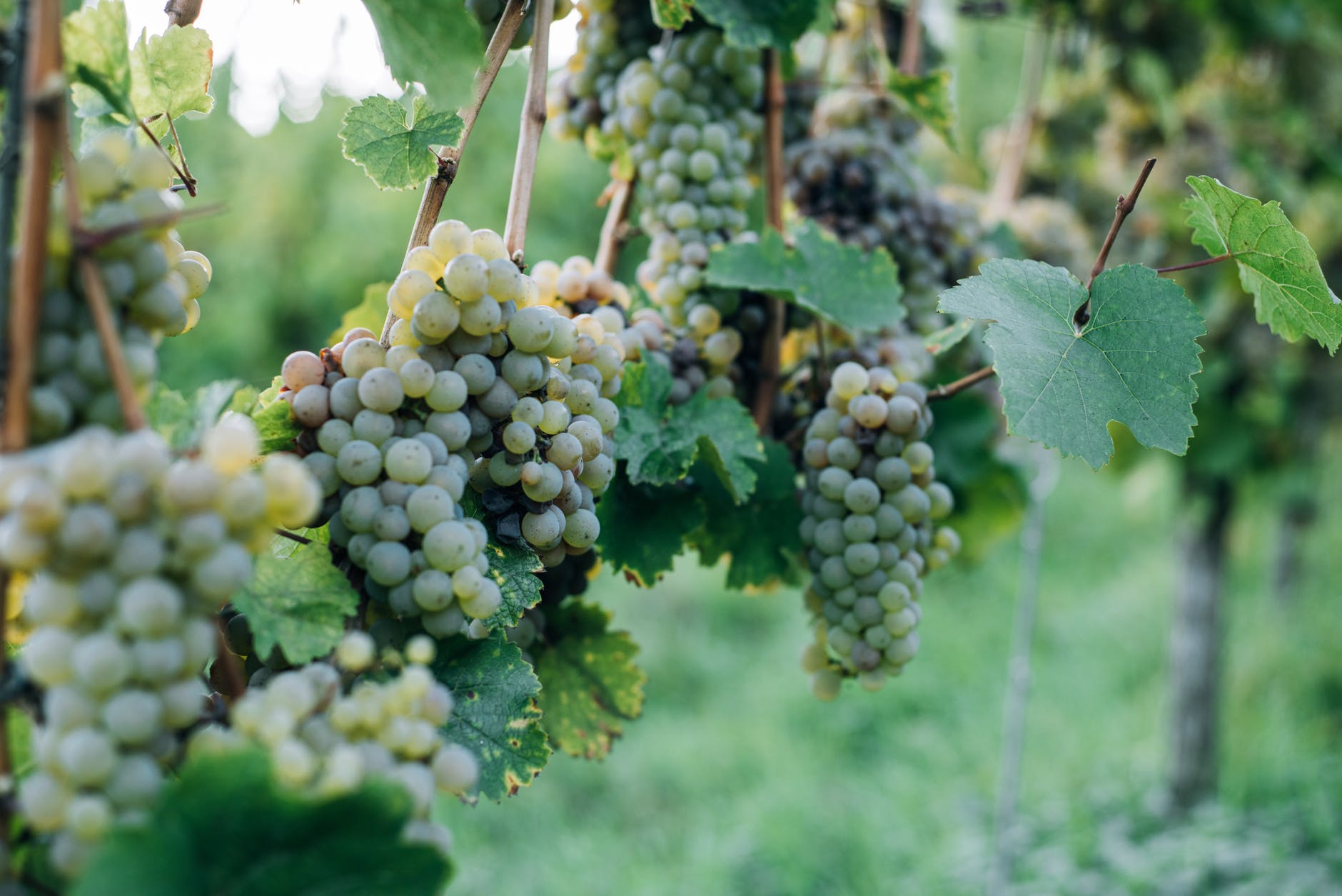
The Grapeseed and the Acorn

Photo by Laura Stanley on Pexels.com

An acorn and a grapeseed landed close together on the forest floor. The acorn, as acorns do, began to sprout straight up toward the sky. The grapeseed, as grapeseeds do, began to sprout along the earth. The sapling quickly grew tall, reaching for the stars. The seedling quickly grew long, reaching for supports. The grapevine encountered a blade of grass and whispered “May I lean on you?”

The grass answered yes, but when the vine wrapped its runner around the shoot the grass toppled over under the weight. The vine continued growing toward other plants on the forest floor, asking each one if it could lean on them, and each one buckled under the weight of the vine.

Finally the vine touched the sapling with one of its runners. By then, the oak had formed its heartwood and was strong and stable. The grapevine whispered “May I lean on you?”

The oak sapling rustled “Yes,” and the vine wove its runner around the trunk of the tree. The tree did not topple, and the vine began to grow strong and flourish, as did the oak tree.

The grapevine and the oak tree shared the soil and the rain and the sunshine, and bore fruit. The grapes on the vine were lush and delicious while the acorns on the tree were rich and nutritious.

The oak tree whispered to the grapevine “Come, rise up toward the sky with me.”

The vine trembled and said “No, the sky is not safe for a grapevine. Please can we grow North?”

Seeing the vine’s fear, the oak tree replied “Yes, we can grow North. I will support you.” And the oak tree grew a branch facing North. Together, the vine and the tree grew further North than any oak had ever grown before. The vine wrapped its shoots around the branch and both enjoyed the view. The oak tree delighted in the Northern animals the grapevine attracted with its abundant fruit, and they were content. Years went by.

The oak tree whispered to the grapevine “I would like you to come toward the sky with me, now that you see how well I support you in the North.”

The vine shook and said “No, the sky is too big. Can we please grow South?”

Seeing the vine’s fear, the oak tree replied “Yes, we can grow South. I will support you.”   And the oak tree grew a branch facing South. Together the vine and the oak grew a branch further than any oak tree had ever grown South before. The vine wrapped its shoots around the branch and both enjoyed the view. The oak tree delighted in the Southern animals the grapevine attracted with its abundant fruit, and they were content. Years went by.

The oak tree whispered to the grapevine “Look at how strong, true and tall my heartwood grows in my trunk as I reach for the sky. I would like you to grow there with me and keep me company.”

The vine shuddered and said “No, the sun is too bright in the sky and will burn me. Can we please grow East?”

The oak tree saw the pain in the vine and with sorrow said “Yes, we can grow East. I will support you.” And the oak tree grew a branch facing East. Together, the vine and the oak grew further East than any oak tree had ever grown before. The vine wrapped its shoots around the branch and both enjoyed the view. The oak tree delighted in the Eastern animals the grapevine attracted with its abundant fruit, and they were content. Years went by.

The oak tree once again whispered to the grapevine “I support you in the North. I support you in the South. I support you in the East. Please do not be afraid to join me in reaching for the sky. I am getting lonely as I grow taller and taller away from you.” The vine once again trembled and asked the oak instead to grow West, and the oak grew a branch to the West.

But this time, the vine was not content. The vine looked at the trunk of the oak tree. It saw how the bark of the tree was not even visible because the vine surrounded the entire thing. The vine looked at the branches to the North, the South, the East and the West. Only the vine was visible, the branches of the oak itself were not. Only the leaves of the vine, and its bunches of grapes, graced these lower branches of the tree. And the vine grew angry.

“You do NOT support me, oak tree. I support you. Look at us. All to be seen down here is me. My leaves. My grapes. My vine. I hold you up, oak tree, as you try to reach for the sky. I support you. You are nothing without me. Look around you, oak tree, and see the truth, that you are nothing without my support.”

The oak tree did look. The oak tree did see that the lower trunk, and lower branches, were completely shrouded by the strong, abundant, and productive grapevines. And the oak tree was puzzled. Was the vine truly holding up the oak tree from the outside, or was the oak tree supporting the vine from the inside? The heartwood inside those branches died at that moment, losing their identity and strength. The branches no longer bore sap, no oak leaves grew on them, and no acorns graced them. The oak stopped asking the grapevine to grow toward the sky with it, but still strove to touch the stars and still spread higher branches, filling them with abundant leaves and acorns. Neither was content. Years went by.

A sharp crack and terrible cry reverberated through the forest one day. The North branch dropped to the ground.

“Why did you do this, why did you drop me?” the grapevine cried to the oak tree. The branch had rotted and crumbled without the heartwood inside to support it, and had given way under the great mass of the grapevine with all its leaves and bunches of grapes. “What have you done?”

Then the South, East, and West branches snapped and tumbled to the ground, taking the grapevine with them.

“How can you do this to me? How can you let me fall?” the grapevine said to the oak tree.

“But you said you were supporting me,” the oak replied. “How did I let you fall if you were the one holding both of us up? It’s ok, though, grapevine. I still have all these branches growing toward the sky if you want to join me. I will shelter you from the sun and wind. I will support you as we reach for the stars. I understand that you are a grapevine and you grow as grapevines grow. I am an oak tree, and I grow as oak trees grow. But we can share like we used to, when you kept me company and brought me beautiful animals with your grapes, and I held you up so you could feel the sun on your leaves. I grew broader and stronger than any oak ever has before. And you produced more grapes and grew stronger and broader than any grape vine ever had before.”

The grapevine considered the oak tree’s words. It looked at the branches on the ground which appeared to be grapevines but deep inside had been supported by the oak.

The oak tree whispered one last time “Please grow with me toward the sky.” And this time the grapevine felt no fear, wrapping its shoots around the strong oak and reaching toward the sky, securely scaffolded by the oak tree. They were content.